
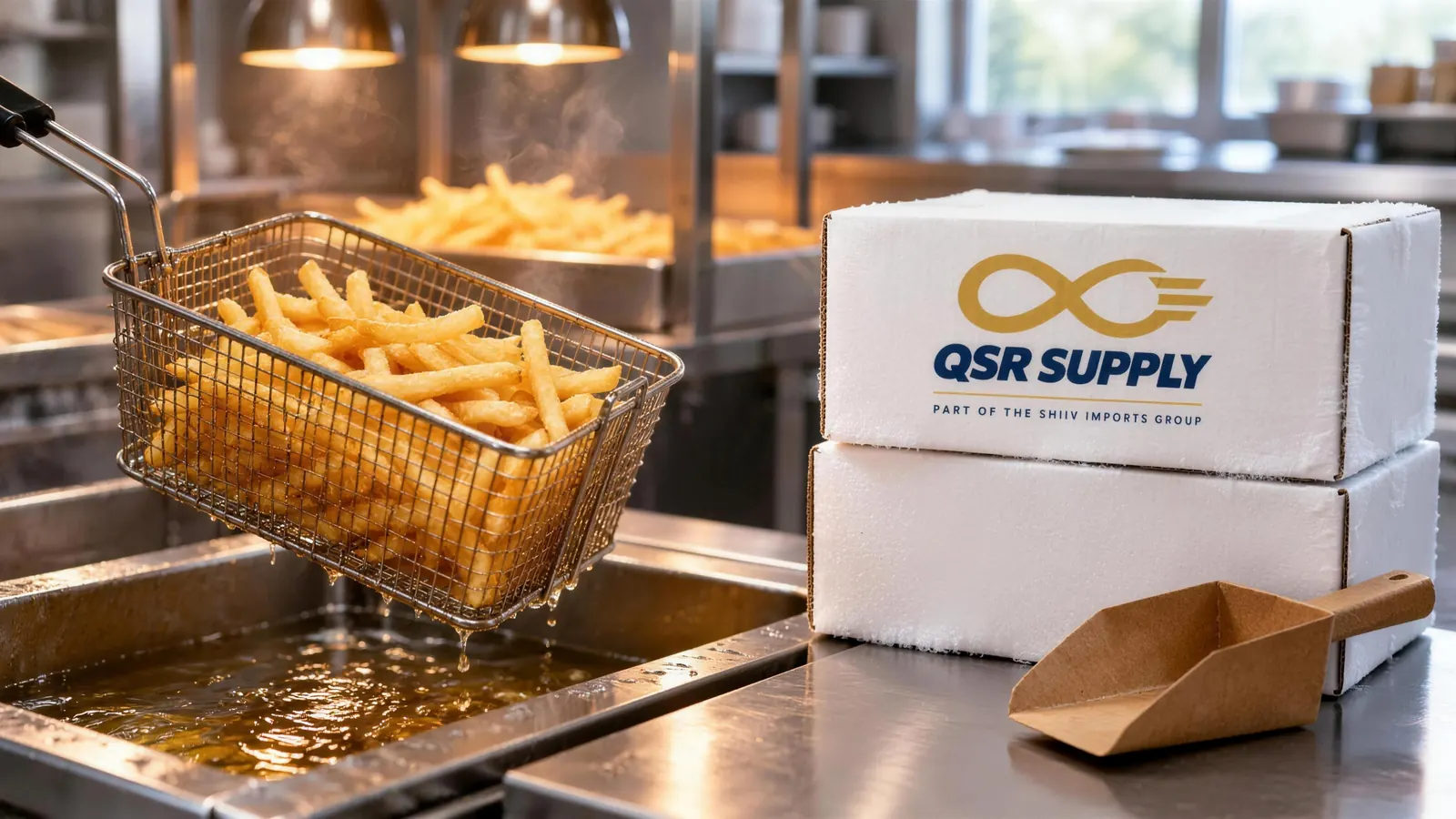
What is changing in frozen chip supply
Four developments are worth knowing about this year.
Imports are steady overall, but the mix is moving. AUSVEG figures show frozen potato imports, including French fries, fell 2% in 2025 to 131,053 tonnes. Belgium and the Netherlands are still the two largest origins, but both shipped less (Belgium down 12% by volume, the Netherlands down 18%). New Zealand grew 21% by volume and Germany grew 43%. The United States rounds out the top five.
Tasmanian processing is under strain. After a long dispute reported by ABC News, most Tasmanian growers supplying Simplot signed contracts by the 15 September deadline. TasFarmers said the deal means an average price cut of 2.5%, the second cut in two seasons. The Australian Manufacturing Workers' Union has said Simplot signalled a reduction of roughly 30,000 tonnes in volume processed at its Ulverstone plant from the 2027 harvest. Simplot has pointed to import competition as a driver of its pricing.
New local capacity is coming. Farm Frites is investing more than $300 million in a processing plant at Dooen near Horsham, Victoria. It is designed to process up to 250,000 tonnes of potatoes a year into frozen fries and potato specialties for takeaways, pubs, clubs and fast food restaurants. Commissioning is planned for early 2027, and initial production will prioritise the Australian market. The main building structure was completed in September 2026.
Europe's crop looks tighter. After a hot, dry northern summer, industry analysts at World Potato Markets have estimated the EU processing potato harvest could fall below 40 million tonnes in 2026. Spot prices for uncontracted potatoes in Belgium rose sharply in August. Contracted volumes are less exposed, but it is a reminder that imported supply depends on harvests a long way from your stores.
What it means: Over the next 12 to 18 months the balance between local and imported product is likely to keep moving. Buyers who already have a tight specification and a qualified second source will find any switch easier than those who rely on one supplier's standard range.
How to specify frozen chips for a QSR menu
A good specification is what keeps fries consistent from one store, shipment and supplier to the next. These are the points that matter most.
Cut size and shape
Common foodservice cuts include shoestring (roughly 6 to 7 mm), regular straight cut (roughly 9 to 10 mm), chunky or steak cut (around 12 mm and up), crinkle cut and wedges. Thinner cuts cook faster and suit high-volume counters but lose heat quickly. Thicker cuts hold heat better and suit pubs, clubs and dine-in. Pick the cut that matches your fryer capacity, ticket times and how far food travels, including delivery.
Coated or uncoated
Coated chips carry a light batter or starch coating that helps crispness and extends hold time under lamps and in delivery bags. Uncoated chips give a more natural potato taste and a shorter ingredient list. If you choose a coated chip, check the coating ingredients. Some contain wheat, which matters for your allergen information, because food businesses must display allergen information for unpackaged food or provide it when a customer asks.
Colour, cooking and acrylamide
Acrylamide can form when starchy foods are fried at high temperature. FSANZ advises cooking deep fried chips at no more than 175°C to a light golden colour, and following the manufacturer's cooking instructions. The Codex code of practice asks par-fried fry producers to keep on-pack frying instructions at or below 175°C. Build target fry temperature, time and a colour standard into your spec and your store training, so every site serves the same golden result.
Length, defects and yield
Ask suppliers for their length distribution and their tolerances for short pieces, slivers, dark ends and blemishes. Short pieces and breakage reduce portions per carton and make serves look uneven. Comparing specs on the same basis is the only fair way to compare yield between suppliers.
Cold chain and storage
Frozen chips should be kept at -18°C or colder. Temperature swings during transport or in store freezers cause ice crystals, clumping and soft, oily fries after frying. Check how product is stored at each step, from port or factory to distributor to your back-of-house freezer.
Imported or locally processed: what to weigh
| Factor | Locally processed | Imported |
|---|---|---|
| Lead time | Shorter, easier to adjust orders | Longer, needs forecasting and buffer stock |
| Cost drivers | Local crop, energy and labour costs | Exchange rate, freight, origin crop |
| Range | Set by local processors' lines | Wide choice of cuts, coatings and specialties |
| Compliance | Australian food standards | Australian food standards plus import inspection and biosecurity checks |
| Origin story | Australian grown claims possible | Must label origin accurately |
Imported food is subject to Australian biosecurity conditions and the Imported Food Inspection Scheme run by the Department of Agriculture, Fisheries and Forestry. A capable importer manages this for you, but it is worth asking how they do it.
A buyer checklist for 2026 and 2027
- Write down your spec. Cut, coating, colour target, fry time and temperature, hold time, defect tolerances and carton size.
- Ask for a full specification sheet and food safety certification from every supplier you consider.
- Run a side by side fry test in your own fryers, with your own oil and hold times.
- Qualify a second source that meets the same spec, local or imported.
- Check allergen and origin information so menus and labels stay accurate.
- Review cold chain handling with your distributor.
- Match the packaging. Fry cups, scoops and bags affect how long chips stay crisp, and some plastic items are banned in several states. See our guide to single-use plastic bans in Australia.
Our take
Frozen chips look like a simple commodity, but for most QSR menus they are one of the most ordered items. With local and imported supply both changing into 2027, the businesses that do best tend to be the ones that treat fries as a specified product rather than a line on a price list.
QSR Supplier helps QSR and foodservice businesses across Australia and New Zealand source frozen chips, sauces and condiments and food packaging to an agreed specification. If you are reviewing your fry range, send us a chain brief or talk to our team.
Frequently asked questions
Where do Australia's frozen chips come from?
From local processors and imports. In 2025 Australia imported about 131,000 tonnes of frozen potato products, with Belgium, the Netherlands, New Zealand, Germany and the United States the top five origins, according to AUSVEG.
Are frozen chip imports to Australia increasing?
Not overall in 2025. Total frozen potato imports fell 2% by volume and value, but imports from New Zealand rose 21% and from Germany 43% by volume, while Belgium and the Netherlands declined.
What is the difference between coated and uncoated chips?
Coated chips have a thin batter or starch layer that improves crispness and hold time, which suits delivery and busy counters. Uncoated chips have a more natural potato taste and simpler ingredients. Check coatings for allergens such as wheat.
What temperature should frozen chips be fried at?
FSANZ advises frying chips at no more than 175°C and cooking them to a light golden colour to reduce acrylamide. Always follow the manufacturer's instructions for the specific product.
When will the new Farm Frites plant in Victoria open?
Farm Frites says commissioning of its plant at Dooen near Horsham is planned for early 2027. It will process up to 250,000 tonnes of potatoes a year and initially prioritise the Australian market.
Sources
- AUSVEG, Jan to Dec 2025 Australian potato performance overview
- ABC News, Tasmanian potato growers' ongoing contract dispute with Simplot
- Potatoes.News, Tasmanian growers sign Simplot contracts at the eleventh hour
- Farm Frites Australia, Potato processing factory
- The Weekly Advertiser, Farm Frites' Horsham potato factory reaches milestone
- FSANZ, Acrylamide and food
- Codex Alimentarius, Code of Practice for the Reduction of Acrylamide in Foods (CXC 67-2009)
- FSANZ, Allergy information for the food service industry
- Department of Agriculture, Fisheries and Forestry, Importing food
This guide summarises public industry and regulator information current at 7 October 2026. It is general information, not legal or food safety advice. Confirm requirements with the relevant regulator and your suppliers.