
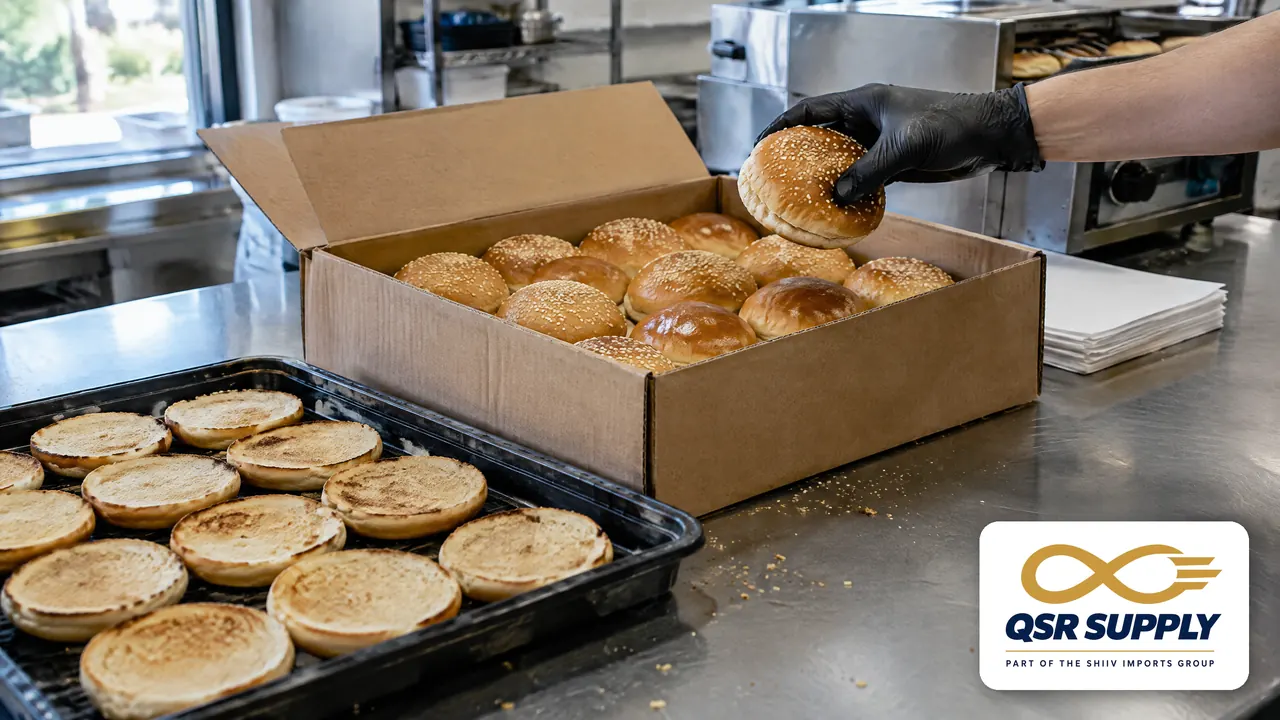
Where the 2026-27 wheat crop stands
The Australian Bureau of Agricultural and Resource Economics and Sciences published Australian Crop Report number 219 in September 2026. It forecasts wheat production to fall by 17% to 29.9 million tonnes in 2026-27. ABARES says that fall largely reflects an 11% decrease in the area planted. Production is still forecast 3% above the 10-year average to 2025-26.
National winter crop production is forecast to fall by 12% to 61 million tonnes. That is 16% above the 10-year average to 2025-26. ABARES says that, if realised, it would be the fourth largest winter crop on record. The smaller wheat crop sits inside a winter crop that ABARES still describes as large by the 10-year average.
ABARES describes good growing conditions in the south, and poor conditions with lower area and yields in northern New South Wales and Queensland. Victoria's crop was around 3 to 4 weeks ahead, and South Australia's was up to 4 weeks ahead. ABARES also said growers could access fuel and fertiliser. This guide does not quote prices for either input.
State wheat production in the September 2026 tables, and the change from 2025-26:
- Queensland. 1.21 million tonnes, down 47.6%.
- New South Wales. 7.7 million tonnes, down 31.1%.
- Victoria. 4.896 million tonnes, up 15.2%.
- South Australia. 6 million tonnes, up 26.6%.
- Western Australia. 10 million tonnes, down 25.4%.
This guide does not report a sprouting event, or a milling result, for the 2026 harvest. If a delivery bakes differently from the agreed sample, check it against that sample before you change the bun.
What USDA published for world wheat
USDA's World Agricultural Supply and Demand Estimates, WASDE-676, was approved on 9 October 2026. It is a different series from the ABARES forecast. The October WASDE table lists Australian wheat production at 31.00 million tonnes for 2026/27, unchanged from the September WASDE. This guide uses the ABARES figure of 29.9 million tonnes for the Australian crop, and WASDE for the world balance.
The October table lists world wheat production at 822.39 million tonnes. USDA's narrative says global consumption is raised 1.2 million tonnes to 827.9 million, primarily on higher feed and residual use for China and the European Union. World trade is 2.8 million tonnes lower at 209.0 million. Global ending stocks are fractionally lower at 276.0 million tonnes.
USDA says Russia's wheat exports are now the lowest in 5 years, at 40.0 million tonnes, with shipments to date well below their long-term average. For the United States, USDA says production is slightly greater at 1,534 million bushels and remains the smallest United States wheat production since 1970. The October table lists United States production at 41.74 million tonnes. This guide does not quote wheat prices.
What a QSR buyer can write down
A smaller crop is not a buying plan. This guide does not quote wheat or bun prices, and it does not forecast them. Five points belong on the brief.
- Format. Fresh, par-baked or frozen, and whether the store toasts, steams or serves the bun as it arrives. Match the format to the equipment and the holding time on that site.
- Size and weight. Diameter, height, slice and the tolerance on weight. Sesame, plain or another finish, agreed against a reference sample.
- Recipe and allergens. State milk, egg, butter or oil, and sesame. Wheat and gluten are expected in a wheat bun. The allergen labelling guide covers how a QSR handles declarations for sauces and the rest of the build, including beef patties and sliced gherkins.
- Shelf life and a second source. Set a minimum remaining life on delivery, and a store forecast so buns are used while they still match the sample. A second approved plant, or a frozen format held as backup, covers a missed delivery.
- Change control. Write down when the recipe, plant or flour may change, and how you will be told. This guide does not set a pricing formula.
A burger bun specification checklist
A written specification keeps stores on the same bun when a flour delivery changes.
Product
- Style: plain, sesame, or another named finish, with a reference sample and a photograph of the accepted bun.
- Baked weight, diameter, height and slice, each with a tolerance.
- Fresh, par-baked or frozen, and the thaw, toast or steam method the store will use.
- Any claim the menu will repeat. Bread represented as organic sits outside the fortification sections below. Do not treat a marketing line as the legal status of the bun.
Packaging and life
- Pack type, count per pack, and a date mark on every pack.
- Minimum remaining shelf life on delivery, and how the store holds the pack once it is open.
- Carton and pallet pattern. Bags, wraps and napkins sit on a separate brief. See food packaging, napkins and bags.
Recipe and food safety
- Flour type, and whether the flour is sold as suitable for making bread.
- An allergen statement covering wheat, gluten, sesame, milk, egg, soy and lupin, including glazes, seeds and egg or milk washes.
- The plant's food-safety plan and any third-party certification it holds. Those documents belong to the plant. Shiiv Imports holds ISO 9001.
Fortification rules for bread and brioche
Standard 2.1.1 of the Australia New Zealand Food Standards Code is the rule for cereal products. The Federal Register's current compilation of that standard is still compilation No. 1, in force on 19 July 2023. The same text is reproduced in the FSANZ compilations of March 2026 and May 2026. FSANZ marks those compilations as a reference copy. The register is the official text.
Wheat flour that is sold as suitable for making bread, where the fortification sections apply, must contain no less than 2 mg/kg and no more than 3 mg/kg of folic acid. In Australia only, that flour must also contain no less than 6.4 mg/kg of thiamin. Iodised salt must be used for making that bread where salt would ordinarily be used. The standard does not stop salt that is not iodised from being added to the surface, or other food that contains salt that is not iodised from being added during making.
Those two sections do not apply to pizza bases, breadcrumbs, pastries, cakes (including brioche, panettone and stollen), biscuits or crackers, or to the wheat flour used to make those products. They also do not apply to bread that is represented as organic. The Code uses that phrase. This guide does not describe that bread as certified.
The exemption is for cakes, including brioche. It is not a blanket exemption for every bun with a rich dough. A burger bun sold as bread is still bread under the standard: a food made by baking a yeast-leavened dough prepared from cereal flour or meal and water, or that food with other foods added. Calling a bun brioche style does not by itself take it outside the rule. If the product is sold as a cake of that kind, the exemption is the one written in section 2.1.1-4. Ask the plant which classification it uses, and keep that answer with the specification.
Importing buns and labelling origin
This guide does not set biosecurity conditions. Frozen bread, par-baked buns and filled products can sit in a different pathway in the Biosecurity Import Conditions system from shelf-stable cooked bread. Check the current BICON case for the exact product, the ingredients, including any dairy, egg or meat, and the origin, before you ship. Food that clears biosecurity still has to meet the food standards that apply to sale in Australia.
For origin labels, the ACCC says food sold in a restaurant, cafe or takeaway does not need a country of origin label under the Country of Origin Food Labelling Information Standard. If you still make an origin claim, on a menu board or a pack, the ACCC requires it to be true, accurate and based on reasonable grounds. Where the wheat was grown and where the bun was baked are different facts. Write both only when you can support both.
Our take
ABARES forecasts a 2026-27 wheat crop of 29.9 million tonnes, down 17% and still 3% above the 10-year average to 2025-26. USDA's 9 October 2026 balance shows world consumption at 827.9 million tonnes, trade at 209.0 million tonnes, and ending stocks at 276.0 million tonnes. This guide does not quote prices. A written bun specification, a reference sample and a second approved source are the practical preparation.
QSR Supplier does not bake burger buns. Wheat and other flours for bakery and kitchen batches are on the pantry staples page, packed by partner factories to the brief. Frozen breads on the Indian snacks page are paratha and naan, not burger buns. Shiiv Imports holds ISO 9001. Plant food-safety documents belong to the plant. Sauces for the same build are on the sauces, dips and condiments page. See also what we source. To put a bun specification to market, send a chain brief or talk to our team.
Frequently asked questions
How large is the Australian wheat crop in 2026-27?
ABARES, in its September 2026 Australian Crop Report, forecasts wheat production at 29.9 million tonnes in 2026-27, down 17% from 2025-26, largely because the area planted fell 11%. The forecast is still 3% above the 10-year average to 2025-26. This guide does not quote wheat prices.
Will burger bun prices fall in 2027?
This guide does not quote or forecast bun or wheat prices. A smaller Australian wheat crop is not a price. Suppliers set their own prices. The practical preparation is a written bun specification and a second approved source.
Is a brioche burger bun exempt from flour fortification?
Not by the name alone. In the FSANZ May 2026 compilation, Standard 2.1.1 still reproduces the text in force on 19 July 2023. Sections 2.1.1-5 and 2.1.1-6 do not apply to cakes, including brioche, panettone and stollen, or to the wheat flour used to make those products. A burger bun sold as bread is still bread. Calling a bun brioche style does not by itself take it outside the rule.
What must bread-making flour contain in Australia?
Wheat flour sold as suitable for making bread must contain no less than 2 mg/kg and no more than 3 mg/kg of folic acid, and, in Australia only, no less than 6.4 mg/kg of thiamin. Iodised salt must be used where salt would ordinarily be used. Salt that is not iodised may be added to the surface of the bread. Bread represented as organic is outside those two sections.
Do frozen burger buns need an import permit?
This guide does not set import conditions. Frozen bread, par-baked buns and filled bakery products can sit in a different BICON pathway from shelf-stable cooked bread. Check the current BICON case for the exact product, ingredients and origin before you ship.
Does a takeaway burger need a country of origin label on the bun?
Not for food sold in a restaurant, cafe or takeaway. The ACCC says those businesses are exempt from the Country of Origin Food Labelling Standard. Any origin claim you still make must be true, accurate and based on reasonable grounds.
Sources
- ABARES, Australian Crop Report, September 2026
- USDA, World Agricultural Supply and Demand Estimates, WASDE-676, 9 October 2026
- Federal Register of Legislation, Standard 2.1.1, current compilation
- FSANZ, Food Standards Code compilation, May 2026
- FSANZ, Food Standards Code compilation, March 2026
- DAFF, Biosecurity Import Conditions system (BICON)
- ACCC, country of origin food labelling
This guide summarises public ABARES, USDA, Food Standards Code, DAFF and ACCC information current at 27 October 2026. It does not quote prices. Crop forecasts are revised through harvest, so check the latest ABARES crop report and WASDE before you treat a figure as a buying plan. It is general information, not legal, biosecurity, food safety, labelling or trade advice. Confirm requirements with the relevant authorities and your food safety adviser.